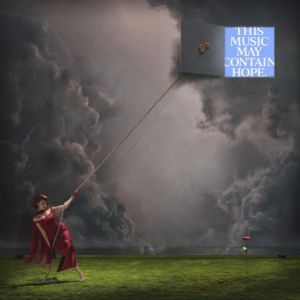
Raye's 'This Music May Contain Hope': A Theatrical Opus of Motown, Cinema & Unfiltered Emotion
The highly anticipated Raye's new album, This Music May Contain Hope, has arrived, not merely as a collection of songs, but as a sprawling, 71-minute conceptual journey. This ambitious record charts the remarkable rise of Rachel Agatha Keen, professionally known as Raye, from the confines of creative constraint to the liberating embrace of full artistic control. Building on the record-breaking success of her previous work, this latest offering solidifies Raye's position as one of the most compelling and authentic voices in contemporary music.
Her debut album, My 21st Century Blues, became a sensation, selling over 100,000 copies in the UK and garnering an astonishing six Brit Awards, including the coveted Album of the Year. Tracks like "Escapism" and "Oscar Winning Tears" propelled her to international acclaim, culminating in that unforgettable moment of "ugly crying on national television" – a raw, public display of triumph that resonated with millions. Yet, as this new album profoundly reveals, the path to such a monumental success was anything but smooth.
The Phoenix Rising: Raye's Quest for Authenticity
The journey to This Music May Contain Hope is steeped in defiance and resilience. Five years prior to this release, Raye made the courageous decision to sever ties with a record label she openly stated had pressured her into crafting what she dismissively called "really boring," generic dance tracks. This period of artistic suppression could have stifled many, but for Raye, it became a crucible from which her authentic voice would eventually emerge. Freed from those external demands, she embarked on a mission to frame an album that is an exquisite balance of defiance and tenderness.
This pursuit of authenticity, however, was not without its internal battles. Raye admitted to a period of intense self-criticism, confessing, "When you haven’t written for a long time, you start being extremely self-critical. So I was hating everything I was coming out with." This vulnerability reveals a common struggle for artists navigating immense pressure. However, what sets Raye apart is her ultimate triumph over this internal critic. "The luxurious thing now is that the pressure comes from me – because that wasn’t the case in the past," she reflected. This shift from external to self-imposed pressure is a testament to her growth, signaling an artist fully invested in her vision. It serves as a powerful reminder for any creative: while pressure is often inevitable, owning its source transforms it from a burden into a powerful motivator for genuine expression.
The courage to walk away from a major label deal, even one that promises a certain level of success, to protect one's artistic integrity, is a significant moment in an artist's career. It paved the way for the profound depth and honesty audible throughout this Raye new album, making it a truly personal and resonant work.
A Sonic Renaissance: Weaving Motown, Orchestra, and Modern Pop
The artistic vision behind This Music May Contain Hope is as expansive as Raye's journey itself. The singer describes the project as "a musical hug and an orchestral kiss," an intention that perfectly encapsulates its warm, enveloping sound. Raye's yearning to reconnect pop music with the "warm pulse of analogue" and the "sweep of classic Motown textures" is a central theme. She articulated this desire last year, noting, "There’s a thing I miss in pop music today, which is that kind of Motown feeling, that classic feeling, that analogue feeling." This commitment to rich, organic soundscapes is palpable from the very first notes.
The Raye new album opens with "I Will Overcome," an immediate plunge into cinematic grandeur. Imagine a rain-soaked Parisian scene, painted with broad orchestral strokes that unmistakably nod to the dramatic flair of theatrical composers. This lush, evocative introduction sets the stage for a narrative that then masterfully shifts its focus, relocating to the gritty, vivid realities of South London. Here, romantic disappointment is not just sung about, but sketched with sharp wit and incredible detail.
On tracks like "Beware… The South London Lover Boy," Raye's keen observational eye brings characters to life, singing about aimless men with "spliffs hanging off their lips." What’s remarkable here is her ability to find surprising kinship and rhythmic harmony between the soulful vocal groups of the mid-century and the beats of modern pop. This ingenious blend is not just stylistic; it's emotional, providing a familiar warmth to contemporary narratives of struggle and longing.
The album's production choices are a masterclass in genre fusion, illustrating how an artist can honor musical heritage while pushing contemporary boundaries. The analogue warmth isn't just about nostalgia; it serves to ground the often-heavy emotional content, making the listening experience feel intimately human rather than digitally sterile. This fusion offers a valuable insight for aspiring producers and artists: true innovation often lies in thoughtful integration, rather than outright rejection, of the past.
Narrative Masterpiece: From Betrayal to Empowerment
Throughout This Music May Contain Hope, Raye transforms episodes of betrayal and heartbreak into dramatic, vivid vignettes. These aren't just songs; they are miniature plays, each with its own arc and emotional climax. "The WhatsApp Shakspeare" is a prime example, where Raye warns of a "wolf in sheep’s clothes, but in this case denim," only to deliver the heart-wrenching realization that she's "one of seven other leading ladies." The track's production perfectly mirrors this emotional pivot, moving from clean, hip-hop rhythms to a stark, noir-like finale with its ominous "dum, dum, dummmm."
Cinematic touches are woven throughout the entire fabric of this Raye new album. Perhaps the most striking is "Click Clack Symphony," a track scored by none other than film legend Hans Zimmer. This collaboration elevates the album to a new level of theatricality, acting as a spiritual successor to her earlier hit, "Escapism." However, the narrative has evolved. Where "Escapism" explored numbing pain, "Click Clack Symphony" showcases a more proactive, resilient approach: phoning friends, bracing oneself with waterproof mascara. This shift signifies a powerful progression from avoiding pain to actively confronting and managing it, illustrating the album's core message of hope found through resilience.
The album also deftly navigates moments of lighter, house-inflected uplift. "Life Boat" offers a trance-tinged buoyancy, providing sonic relief, while "Joy," a heartfelt family duet with her sisters Amma and Absolutely, channels the ecstatic push of classic dance-pop. Its string flourishes even recall the frenetic energy and intricate arrangements of Michael Jackson, demonstrating the album's impressive dynamic range. From the deepest valleys of betrayal to soaring peaks of familial connection and pure ecstasy, Raye’s latest work proves that hope isn't a singular emotion, but a rich tapestry woven from life's diverse experiences.
The power of storytelling in music lies in its ability to take intensely personal experiences and render them universally relatable. Raye’s vignettes achieve this by not shying away from specific, painful details, but by presenting them within a framework that allows listeners to find their own echoes within her narrative. This approach makes the album not just an auditory experience, but a deeply empathetic one, proving that vulnerability can be the greatest source of strength and connection.
The Resounding Impact of "This Music May Contain Hope"
This Music May Contain Hope is a triumph of authentic storytelling, refusing to wallow in its interrogation of heartbreak, self-doubt, online abuse, and careless partners. Instead, it offers a defiant yet tender embrace of resilience and self-discovery. Critics have universally lauded the Raye new album as a "towering achievement," a "masterpiece," and a "theatrical magnum opus of pure triumph." Comparisons to an "ambitious Gen Z Shirley Bassey" speak to its grand scale and powerful vocal performances, while its "showstopping musical maximalism" underscores its ambitious scope and intricate production.
This album not only solidifies Raye's artistic credibility but also resonates deeply with an audience yearning for honesty in an often-polished industry. Her personal journey, marked by battling industry pressures and overcoming internal doubts, is mirrored in the album’s overarching narrative of faith, triumph, and hope pulling her out of darkness. The maximalist approach – the orchestral arrangements, cinematic scope, and genre-blending – is not mere indulgence; it is a deliberate choice to convey the full spectrum of human emotion and the grand scale of her artistic vision. In an era where many artists opt for minimalistic production, Raye's embrace of grandeur makes a bold statement, celebrating the richness and complexity of life's experiences.
In conclusion, Raye's This Music May Contain Hope is far more than just a musical offering; it is a profound artistic statement. It encapsulates a journey of self-liberation, demonstrating the transformative power of embracing one's authentic voice, even in the face of immense pressure. From its ambitious blend of Motown warmth and cinematic grandeur to its unflinching yet ultimately hopeful exploration of personal struggles, this Raye new album stands as a monumental achievement. It's a testament to resilience, a masterclass in emotional storytelling, and a beacon of hope for artists and listeners alike, cementing Raye's legacy as a true visionary of her generation.